


















Week in Review: Troublesome tariffs are back
Fresh produce is not a focus of the trade dispute between Canada and the U.S., but it looks to be a victim.


Fresh produce is not a focus of the trade dispute between Canada and the U.S., but it looks to be a victim.
President Trump announced tariffs on millions of Canadian imports, then paused them to negotiate, and then the negotiations blew up last weekend, so they were reinstituted on Monday.
Canadian Prime Minister Mark Carney said his government plans to respond with tariffs on U.S. products, starting as soon as September 8.
Canada and the U.S. are each other’s largest agricultural trade partners, as Canada takes nearly half of U.S. fresh produce exports. The two nations share more than $6 billion in annual produce trade.
President Trump says Canada has traded unfairly on such items as dairy, alcohol, and automobiles.
Since Monday, the only progress made in the dispute has been Trump signing an executive order renaming Lake Ontario as Lake America. In response, Ontario Premier Doug Ford called Trump a loser and told him to “kiss my ass.”
Trade is serious business, and tariffs are a tool that can achieve more fairness between partners. They are most effectively used as a threat that leads to more favorable terms.
When implemented, they tend to raise prices for consumers, and when it comes to food, lead to more inflation, which American and Canadian consumers continue to say remain a major pain point.
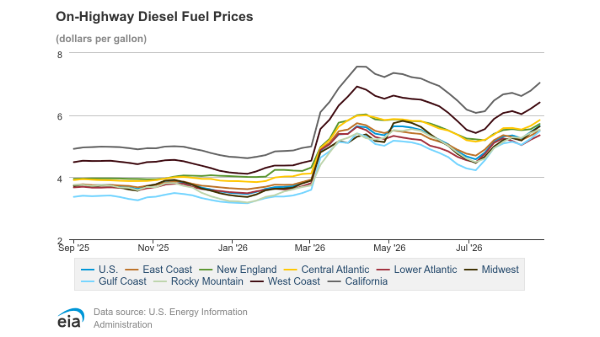
Renaming a lake is unserious business, as are juvenile threats, and with the prospect of higher food prices, and nearing an all-time high on diesel prices, Americans are in no mood for such ridiculousness.
In a statement on the tariffs, IFPA released a statement saying, “A stable, predictable trade relationship with Canada is essential to the growers, businesses, and consumers who depend on a strong North American fresh produce supply chain.
“IFPA encourages both governments to continue working toward a negotiated resolution that reduces trade barriers and provides the certainty growers need to plan, invest, and keep fresh produce available and affordable for consumers on both sides of the border.”
This is undoubtedly true and a good-faith recommendation.
American and Canadian consumers and the produce industry are owed serious negotiations between Canadian and American leaders to lower prices for consumers and resume robust trade between the two nations.
Enough with the nonsense.

News you need.
Join Blue Book today!
Get access to all the news and analysis you need to make the right decision --- delivered to your inbox.



Subscribe to our newsletter
© 2026 Blue Book Services. All Rights Reserved

